ZeroDriveX / Editorial

Research, engineering, books, and field notes from the ZeroDriveX ecosystem. Explore the work behind the systems.

Architecting IntelligenceNov 6, 2026

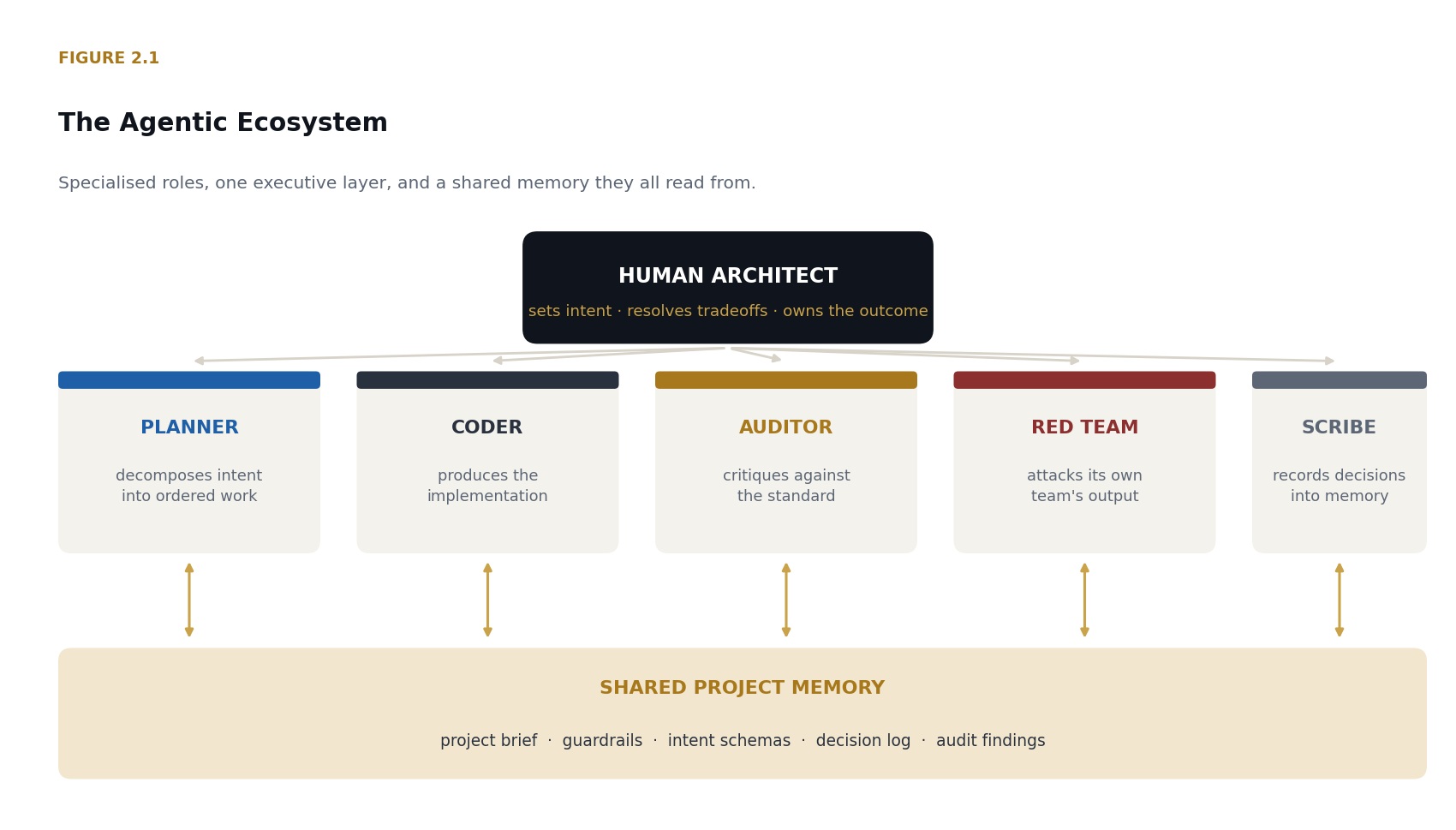
Architecting Intelligence - Chapter 2: The Agentic Ecosystem

Transitioning from a single, all-in-one AI model to an agentic ecosystem mirrors human engineering organizations by dividing complex software development among specialized roles like researchers, architects, coders, and auditors. While specialization eliminates the cognitive interference of context-switching and drives higher code quality through deliberate adversarial friction, it introduces coordination challenges that make a shared, persistent project memory essential. Ultimately, because humans remain the accountable executive layer responsible for setting goals and vetting tradeoffs, the developer's role evolves from writing line-by-line syntax to managing an orchestrated team of intelligent agents.

Read article
Architecting IntelligenceNov 6, 2026

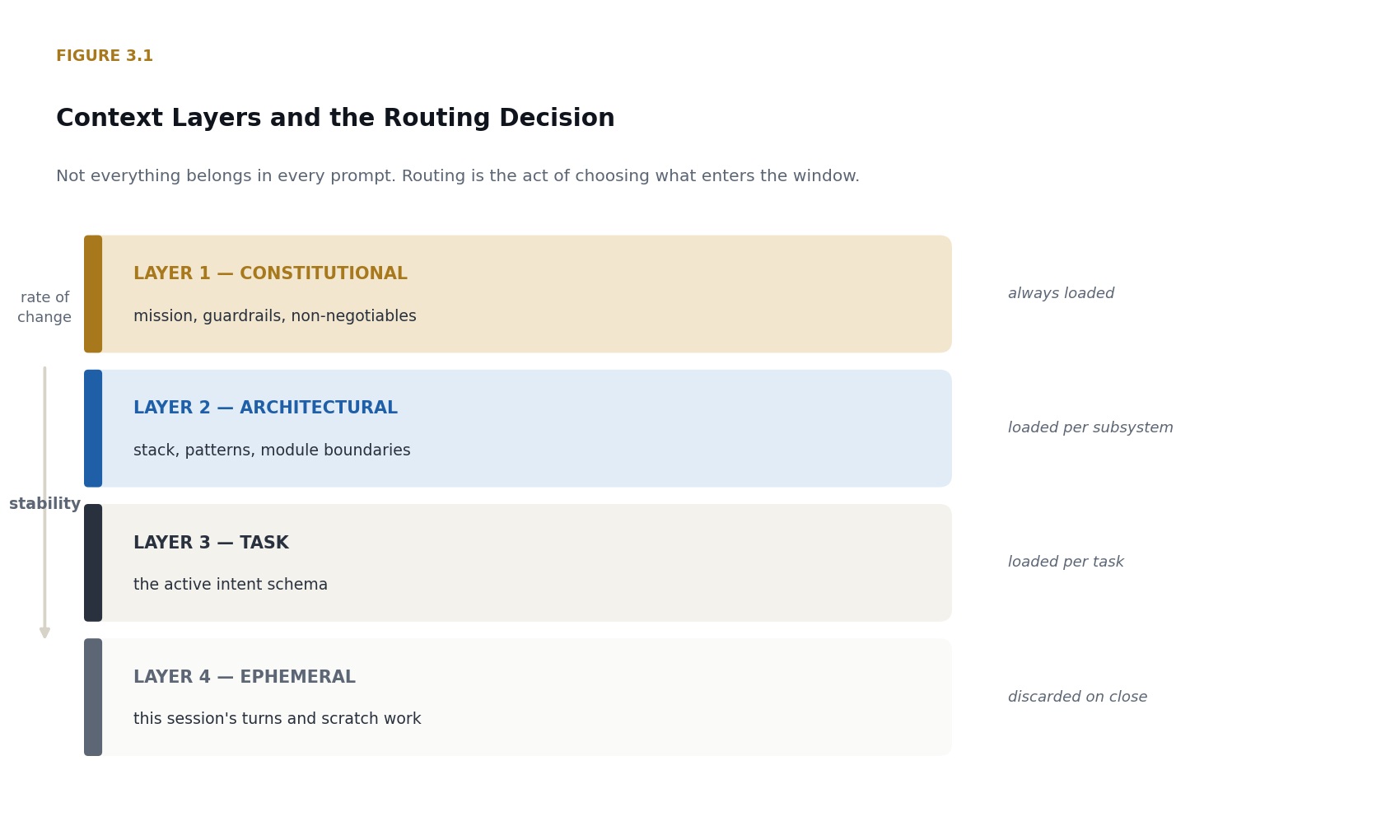
Architecting Intelligence - Chapter 3: Memory Routing and Context

Chapter 3 demonstrates that memory is the foundational prerequisite for true artificial intelligence, exposing context window limitations and statelessness as the core bottlenecks preventing models from operating as persistent systems. Rather than treating memory as a simple chat history or prompting trick, the text details how stateful persistence—spanning short-term working context, long-term vector storage, and structured knowledge graphs—transforms ephemeral LLMs into coherent, evolving infrastructure capable of maintaining architectural integrity across sessions. By establishing mechanisms for agents to record, query, and reconcile past decisions without falling into cognitive drift or context saturation, memory shifts software development from fleeting text generation to stable, long-term system execution

Read article
Architecting IntelligenceNov 6, 2026

Architecting Intelligence - Chapter 1: The End of Syntax

Tracing computing history through seven decades of raising abstraction—from manual wire-toggling and assembly to modern high-level frameworks—reveals that natural language represents the natural endpoint of software evolution by eliminating syntax as a translation middleman. Rather than diminishing developer value, this shift from imperative coding to declarative intent relocates human precision from memorizing language rules to specifying structural requirements, defining system constraints, and evaluating architectural trade-offs. As models absorb the labor of translating intent into execution, the economic bottleneck of software shifts from implementation speed to conceptual clarity. Consequently, the modern developer evolves from a code-writing typist into a system architect, where ultimate success depends entirely on the precision of human thought and the rigor of constraint specification rather than syntax mastery.

Read article
ZeroDriveX Blog — Engineering, Security, Signals & Series